
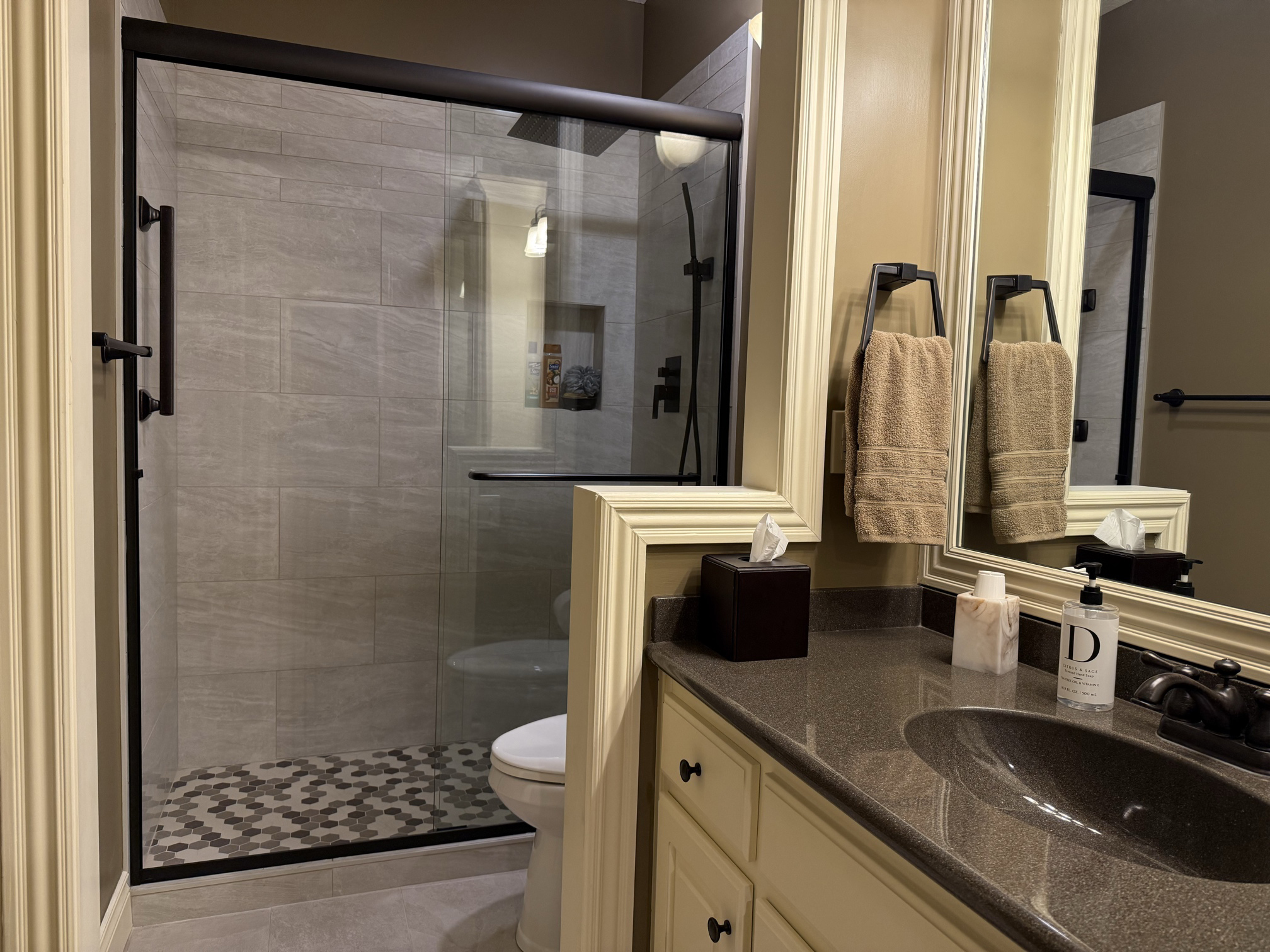
A bathroom remodeler in Kansas City plays an important role in helping homeowners improve one of the most frequently used spaces in the home. Bathrooms are essential to daily routines, and over time they may require updates to maintain functionality and comfort.
Many homes in Kansas City include bathrooms that were built years ago. As a result, homeowners often consider renovations to update fixtures, improve layout, or refresh the overall design. Planning a remodeling project can involve several stages, and understanding the process helps homeowners prepare for each step.
This guide explains the step-by-step process of hiring a remodeler and planning a bathroom remodel in Kansas City, from defining renovation goals to reviewing the completed project.
Why Homeowners Consider a Bathroom Remodel in Kansas City
Bathrooms experience frequent daily use, which means surfaces, fixtures, and layouts may eventually need updates. Remodeling projects often focus on improving both the appearance and usability of the space.
Homeowners may choose to remodel their bathrooms for several reasons.
First, older bathrooms sometimes have layouts that do not function well for modern households. Remodeling provides an opportunity to reorganize the space and improve how it works.
Second, materials such as tile, flooring, and countertops may show signs of wear over time. Updating these surfaces can refresh the overall appearance of the room.
Another reason for remodeling is storage. Some bathrooms do not include enough cabinetry or storage space for everyday items.
Finally, improvements to lighting, ventilation, and fixtures can make the space more comfortable and practical.
Step 1: Defining the Goals of the Bathroom Remodel
Before beginning a renovation project, homeowners should define their goals for the new bathroom space. This step helps guide design decisions and ensures the project meets practical needs.
Evaluating the Existing Layout
Start by assessing how the current bathroom functions. Consider whether the layout supports daily routines and whether the space feels comfortable and efficient.
Some bathrooms may feel crowded because of limited floor space or poorly positioned fixtures. Others may lack adequate lighting or ventilation.
Understanding these limitations helps identify what changes may be necessary.
Identifying Renovation Priorities
Not every bathroom remodel requires a complete redesign. Some homeowners focus on targeted improvements.
Common priorities include:
- Updating tile or flooring
- Replacing vanities or sinks
- Improving storage options
- Updating lighting fixtures
- Refreshing wall finishes
Clearly defining these priorities helps homeowners communicate effectively with a bathroom remodeler in Kansas City.
Step 2: Choosing a Bathroom Remodeler in Kansas City
Selecting the right contractor is an important part of the remodeling process. Bathroom renovations involve several components, including plumbing, electrical work, and interior finishing.
Homeowners often look for contractors who have experience with residential remodeling projects and understand the design considerations involved in bathroom renovations.
Working with an experienced remodeler allows homeowners to discuss their goals and receive guidance on possible design solutions.
Professional remodelers typically assist with planning, layout adjustments, and coordinating the different stages of construction.
Step 3: Initial Consultation and Project Evaluation
Once a contractor has been selected, the next stage usually involves an initial consultation. During this meeting, the remodeler reviews the existing bathroom and discusses the homeowner’s ideas for the renovation.
The purpose of this stage is to understand the scope of the project and identify any design or structural considerations.
Several factors may be evaluated during the consultation, including:
- The size and layout of the bathroom
- Existing plumbing and electrical systems
- Ventilation and lighting
- Available space for storage and fixtures
This discussion helps create a clearer picture of what the remodeling project will involve.
Step 4: Design Planning and Material Selection
After the project goals are defined, the design phase begins. This stage focuses on planning the layout and selecting materials that will be used in the renovation.
Homeowners typically consider several elements when designing a bathroom space.
These elements may include:
- Flooring materials such as tile or stone
- Vanity styles and storage solutions
- Shower or bathtub configuration
- Lighting fixtures and mirrors
- Wall colors and finishes
Careful planning during this stage helps ensure that all design elements work together and support the intended use of the bathroom.
Step 5: Construction and Remodeling Phase
The construction phase is when the renovation work takes place. Depending on the scope of the project, this stage may involve several steps.
Typical stages of construction may include:
- Removal of existing fixtures or surfaces
- Adjustments to plumbing or electrical systems
- Installation of flooring and tile
- Installation of cabinets, vanities, and fixtures
- Finishing details such as painting and lighting
Bathroom renovations require coordination between different types of work. For this reason, the construction phase is often carefully scheduled to keep the project organized.
Step 6: Final Review and Completion
Once the construction work is finished, the project moves into the final review stage. During this step, the remodeler and homeowner examine the completed space together.
The purpose of this review is to confirm that the project reflects the original design plan and functions as expected.
Homeowners may review several aspects of the renovation, including fixture installation, lighting placement, and overall layout.
This final step helps ensure that the remodeled bathroom meets the goals established at the beginning of the project.
Key Stages of a Bathroom Remodeling Project
| Stage | Description |
| Planning | Defining renovation goals and evaluating the existing bathroom |
| Contractor Selection | Choosing an experienced bathroom remodeler |
| Consultation | Reviewing the space and discussing design ideas |
| Design | Selecting materials and finalizing layout |
| Construction | Completing demolition, installation, and finishing work |
| Final Review | Confirming that the project meets expectations |
The Value of Professional Bathroom Remodeling Services
Bathroom remodeling involves several specialized components that must work together in a limited space. Plumbing systems, lighting, ventilation, and interior finishes all play important roles in the functionality of the room.
Professional bathroom remodeling services help coordinate these elements throughout the renovation process.
Experienced remodelers assist homeowners with planning, design decisions, and construction scheduling. Their guidance can help ensure that the project stays organized and aligned with the homeowner’s goals.
Working with professionals also helps homeowners better understand the different stages of a renovation and what to expect during the remodeling process.
Conclusion
Hiring a bathroom remodeler in Kansas City involves several important steps, from defining renovation goals to reviewing the completed project. Understanding this process helps homeowners plan their remodeling projects more effectively.
A bathroom remodel in Kansas City can improve the usability and design of one of the most frequently used rooms in the home. By carefully planning the renovation and working with experienced professionals, homeowners can create a bathroom space that better supports their daily routines. If you are considering updating your bathroom, you can contact us today at Kansas City Remodel to learn more about available remodeling services and discuss your project goals.
FAQ
How long does a bathroom remodeling project usually take?
The timeline depends on the scope of the renovation. Smaller updates may take less time, while full remodeling projects that involve plumbing or layout changes may require a longer construction schedule.
What should homeowners plan before starting a bathroom remodel?
Homeowners should identify their goals, evaluate the existing layout, and determine which updates are most important for the project.
Do bathroom remodelers help with design decisions?
Yes. Many remodelers guide homeowners through design planning, material selection, and layout considerations during the renovation process.
What factors influence the cost of a bathroom remodel?
The cost of a remodel can vary depending on materials, fixtures, the size of the bathroom, and the complexity of the renovation.
Can remodeling improve bathroom functionality?
Yes. Remodeling projects often focus on improving layout, storage, lighting, and fixture placement to make the bathroom easier to use.