
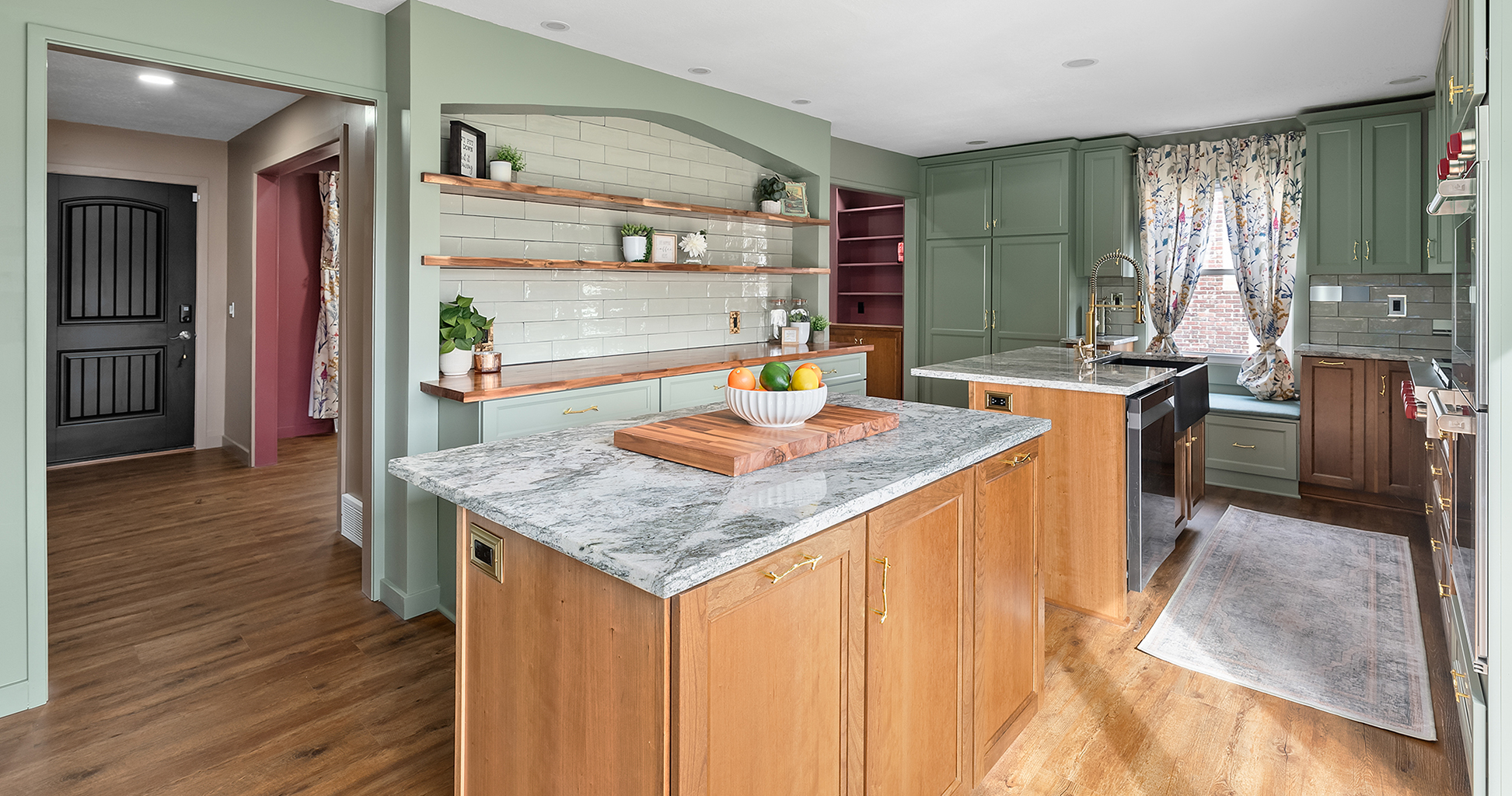
Kitchen remodeling in Kansas City is often considered when a kitchen no longer supports the way a household cooks, gathers, and moves through daily routines. Kitchens are high-use spaces, and over time, layouts, storage capacity, lighting, and surfaces may fall out of step with how families actually live. Understanding when renovation makes sense helps homeowners move from temporary fixes to practical, long-term solutions.
A kitchen renovation is not only about appearance. It addresses how the space functions, how efficiently tasks can be completed, and whether the environment feels comfortable and organized. Many remodeling decisions begin when small inconveniences become consistent problems that affect daily use, which is why homeowners begin exploring kitchen remodeling in Kansas City as a practical long-term improvement.
Why Timing Matters in Kitchen Remodeling
Choosing the right time to begin a renovation can prevent repeated minor repairs and allow for more thoughtful planning. When issues affect function rather than just appearance, a broader remodel may offer better value than short-term updates.
Daily Functional Challenges
One of the clearest indicators that a remodel may be necessary is ongoing difficulty using the kitchen efficiently. Limited prep space, poor task lighting, or awkward appliance placement can make everyday cooking feel more demanding than it should be. When these challenges happen regularly rather than occasionally, they often point to layout or design limitations.
Kitchens are workspaces. When movement between sink, stove, and refrigerator feels cramped or inefficient, the room no longer supports its primary purpose. Remodeling allows homeowners to reconsider flow and organization so that daily tasks become more practical.
Layout Limitations
Older kitchens may reflect design standards that differ from current living patterns. Separate rooms, narrow pathways, or isolated work zones can interrupt movement and limit interaction. Families who use the kitchen as a gathering place may find that the original layout no longer fits how the home is used.
A kitchen renovation can involve rethinking how space is arranged to improve accessibility and comfort. Even small layout adjustments can help create a smoother experience for cooking, cleaning, and shared use.
Storage Shortages
Insufficient storage often leads to cluttered countertops and overfilled cabinets. When items no longer fit within designated storage areas, the kitchen becomes harder to maintain. Remodeling projects frequently address this issue by improving cabinet organization, pantry space, and overall storage design.
Better storage planning supports both daily efficiency and long-term organization. It also helps keep work surfaces clear, which improves usability.
Lifestyle Changes That Influence Remodeling Decisions
Changes in household size, routines, or activities can prompt the need for a remodel. Kitchens that once worked well may feel limited as needs evolve.
Growing families often require more seating and prep space. Households that cook more frequently may need additional storage and work surfaces. Entertaining habits also influence kitchen use, especially when the kitchen connects to living areas.
In these cases, remodeling is less about correcting damage and more about aligning the space with current patterns of use. Updating the kitchen allows it to better support everyday life rather than forcing adjustments around an outdated design.
Aging Materials and Surface Wear
Kitchens experience constant exposure to heat, moisture, and heavy use. Over time, materials may show wear that affects both function and maintenance.
Common signs include:
- Cabinet doors that no longer close properly
- Countertops with visible damage or staining
- Flooring wear in high-traffic areas
- Fixtures that no longer operate smoothly
While individual repairs may extend the life of certain elements, widespread wear often signals that coordinated replacement may be more practical. A remodel addresses surfaces, cabinetry, and finishes together so that updates work as a unified system.
Lighting and Electrical Considerations
Lighting plays a central role in how a kitchen functions. Poor lighting can affect safety and comfort during food preparation. Older kitchens may rely on a single overhead fixture rather than layered lighting for tasks, ambient needs, and accent areas.
Renovation offers the opportunity to improve lighting placement and electrical layout. This can include adding task lighting over work zones or adjusting fixture positions to better match how the space is used.
Repair Versus Full Remodel
Homeowners often weigh whether small fixes will solve ongoing concerns. The answer depends on the scope and source of the issues.
| Situation | Minor Repair May Work | Remodel May Be More Practical |
| Cosmetic cabinet wear | Hardware updates | Cabinets lack needed storage |
| Small countertop damage | Surface repair | Counter space is limited |
| Single light issue | Replace fixture | Overall lighting layout is poor |
| Isolated flooring wear | Patch or refinish | Flooring worn throughout kitchen |
| Layout inefficiency | Rarely resolved | Space planning changes required |
Repairs address isolated problems. Remodeling addresses overall function, organization, and layout. When issues connect to how the kitchen works as a whole, broader renovation may offer a more lasting solution.
Planning a Kitchen Remodel
Careful planning supports realistic expectations and smoother project execution. Before beginning, homeowners often benefit from identifying their priorities and challenges.
Define Goals
Listing what does not work in the current kitchen helps clarify the purpose of the remodel. Common goals include:
- Improving workflow
- Increasing storage
- Updating materials
- Enhancing lighting
These priorities guide early discussions and help keep the project focused on practical outcomes.
Consider Long-Term Use
Remodeling decisions often last for many years. Choosing durable materials and practical layouts can help ensure that the kitchen continues to meet household needs over time.
Coordinate Design and Function
A successful kitchen remodel balances appearance with usability. Layout planning, cabinet design, and lighting choices all contribute to how comfortable and efficient the space feels.
What Kitchen Remodeling Services Typically Include
Kitchen remodeling services commonly involve coordinated updates that improve both form and function. These projects may include:
- Cabinet installation or updates
- Countertop replacement
- Flooring installation
- Tile work
- Lighting and electrical adjustments
- Layout improvements where needed
Each project scope varies based on homeowner goals. Some renovations focus on surface updates, while others involve broader reconfiguration of the space.
Signs It May Be Time to Move Forward
A kitchen remodel may be appropriate when several of the following occur together:
- Daily frustration during meal preparation
- Persistent clutter due to limited storage
- Surfaces that show consistent wear
- Layout that restricts movement
- Lighting that does not support tasks
When multiple issues affect everyday use, planning a renovation can help restore comfort and functionality.
Conclusion
Kitchen remodeling in Kansas City is often considered when a kitchen no longer supports the way a household lives and works. Functional challenges, aging materials, limited storage, and layout inefficiencies all contribute to the decision. A well-planned renovation addresses these concerns in a coordinated way, focusing on improving daily use rather than short-term appearance changes. Kansas City Remodel works with homeowners to evaluate existing kitchen spaces and plan updates that improve comfort, organization, and everyday function.
Homeowners who assess their space carefully and base decisions on real household needs can view remodeling as a practical step toward a more comfortable and usable kitchen. If you are considering your options, contact us today to discuss your goals and learn more about the remodeling process.
Frequently Asked Questions
How do I know if my kitchen needs remodeling instead of small updates?
If problems affect layout, storage, or daily workflow rather than a single surface or fixture, remodeling may be more effective.
Can I remodel without changing the entire layout?
Yes. Some projects focus on cabinets, surfaces, and lighting while keeping the general layout.
What is the first step in planning a kitchen renovation?
Identifying functional problems and setting priorities helps guide the planning process.
Do older kitchens usually need lighting updates?
Many older kitchens benefit from improved task lighting and better overall light distribution.
How long should I expect my remodeled kitchen to serve my needs?
Well-planned renovations using durable materials are intended to support long-term household use.